TÜRGEV’s Gaza Literacy Program invites young people to engage with Gaza through knowledge, conscience, and responsibility, fostering informed and ethical awareness.
21 January 2026
The Türkiye Youth and Education Service Foundation (TÜRGEV), through its educational initiative Güzel İşler Fabrikası (GİF), continues to develop learning programs that strengthen young people’s capacity to read, interpret, and thoughtfully engage with global issues.
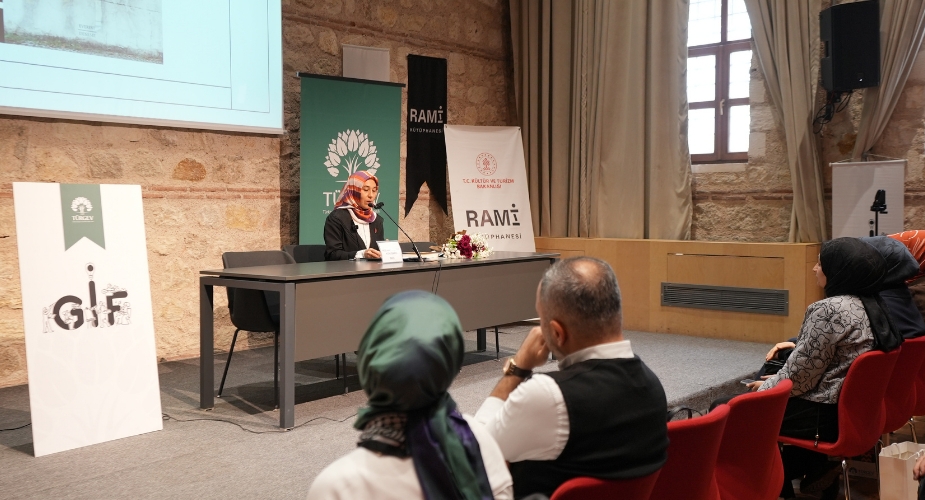
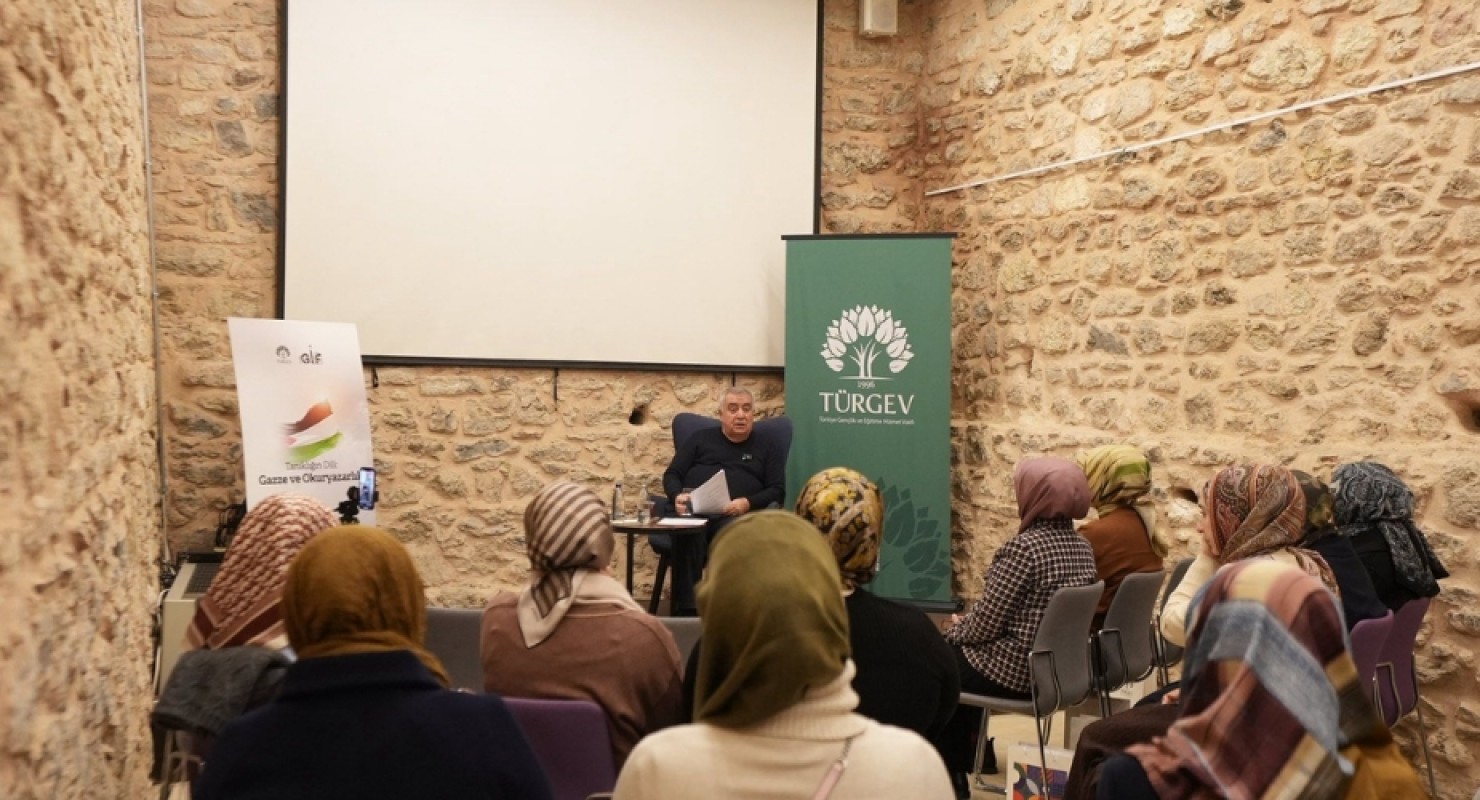
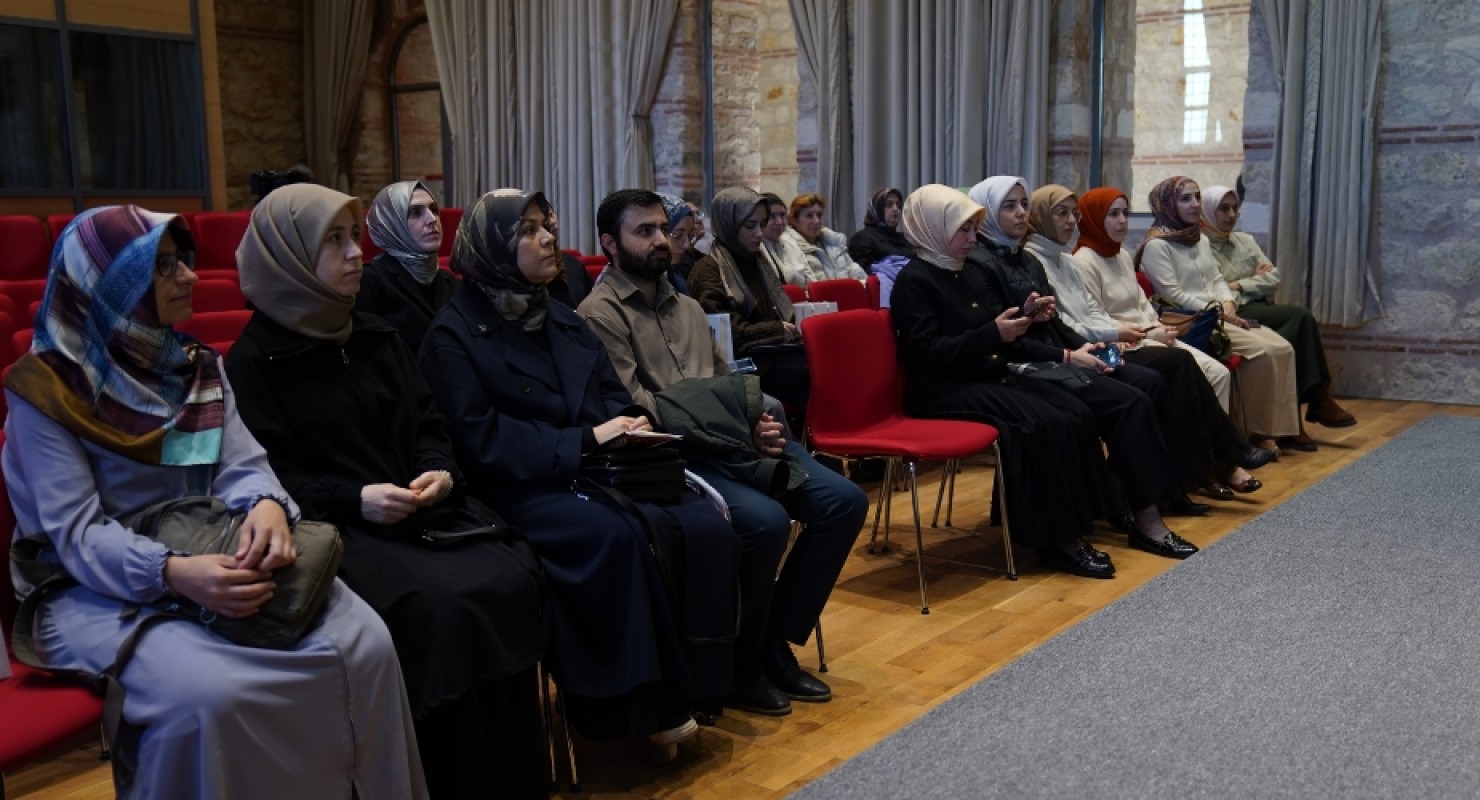
Conducted under the title “The Language of Witness: Gaza and Literacy,” the program has been held biweekly since 18 October 2025, beginning at Rami Library and continuing at the GİF Safvetipaşa campus as part of TÜRGEV’s Gaza literacy education efforts.
The initiative seeks to deepen how young people encounter information related to Gaza, encouraging reflective thinking grounded in ethical awareness and civic responsibility. In this respect, the program approaches Gaza literacy not as a temporary agenda, but as a sustained, structured, and values-based learning process.
Sessions are held biweekly on Saturdays at 14:00, with session content planned for publication via digital platforms to ensure broader accessibility.
What Is Gaza Literacy?
Gaza literacy refers to the ability to understand developments related to Gaza by considering historical context, cultural memory, media narratives, ethical responsibility, and civic awareness together. Rather than relying solely on news headlines, this approach enables individuals to recognize disinformation, access accurate information, and develop conscientious awareness.
Through this program, TÜRGEV translates Gaza literacy into pedagogical practice, supporting young people in cultivating a deeper, more responsible relationship with knowledge.
What Does This Program Offer Young People?
The TÜRGEV Gaza literacy program supports young people in becoming individuals who do not merely follow information about Gaza, but who question, contextualize, and evaluate it with a sense of responsibility. Participants develop competencies in accessing reliable information, identifying disinformation, forming ethical judgment, and engaging with global issues through informed civic awareness.
In this way, the program moves Gaza literacy beyond a theoretical concept and frames it as a living field of ethical consciousness and social responsibility.
Key Themes Covered by the Gaza Literacy Program
The program brings together multiple disciplines to address Gaza from a comprehensive perspective. Core thematic areas include:
. Gaza through art and cultural memory
. Visual Literacy
. Sustainability under Humanitarian Constraint
. Literature and Collective Memory
. Faith, Conscience, and Moral Responsibility
. Digital Media, Disinformation, and Perception Management
. Citizenship and Ethical Responsibility
. Financial Literacy and Economic Solidarity
. Information and Data Literacy (Closing Panel)
These themes reflect TÜRGEV’s educational approach, which seeks to convey Gaza literacy to young people by integrating knowledge with ethical awareness and civic responsibility.
Gaza Through Art and Cultural Memory
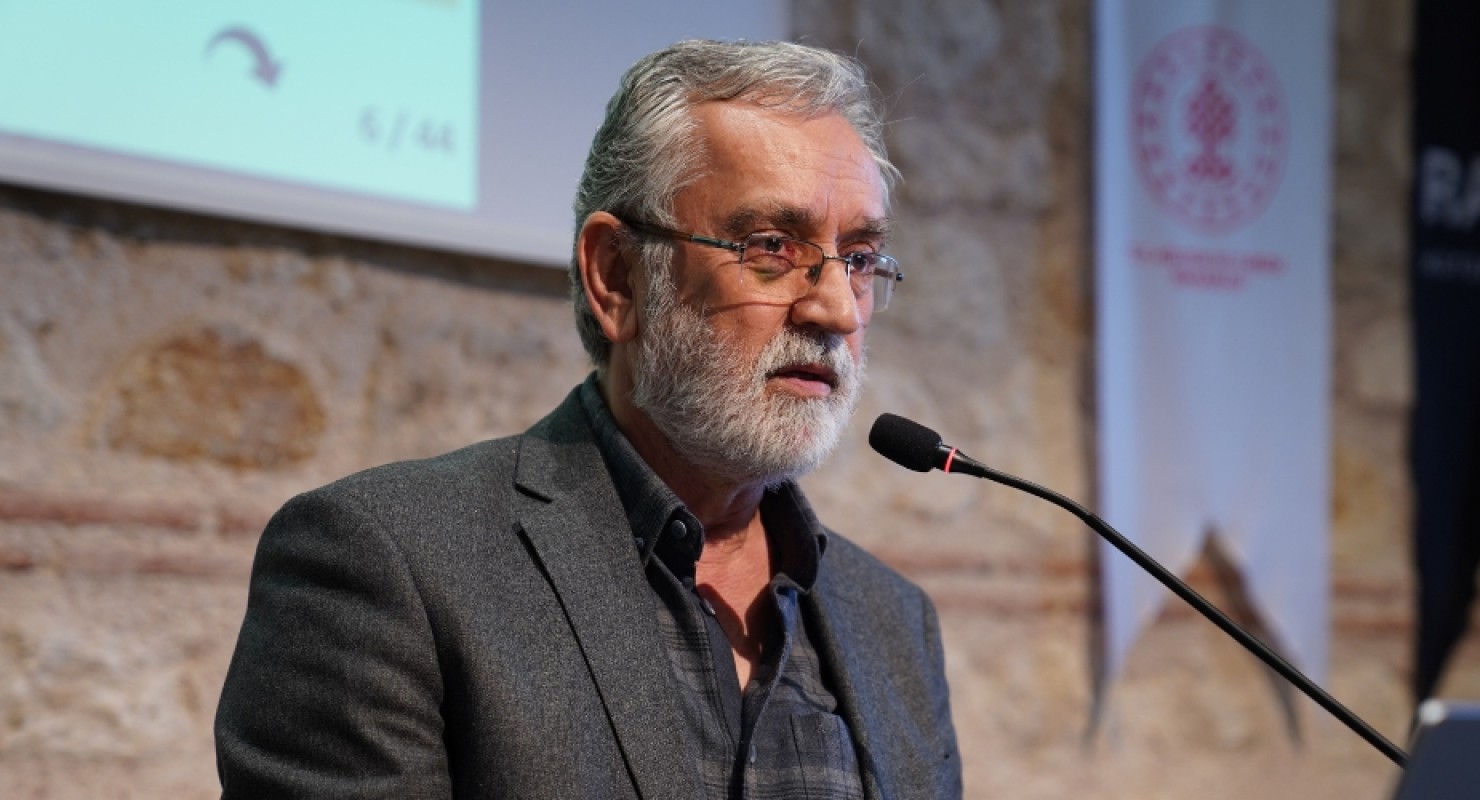
In the initial sessions of the program, Gaza was examined through the lenses of art, culture, and visual memory. Editor Neslihan Demirci discussed the relationship between art and witnessing. Researcher and writer Emine Çınar addressed Gaza’s cultural continuity through Palestinian heritage and collective memory. Prof. Dr. Ali Büyükaslan focused on the production, circulation, and ethical dimensions of visual representations related to Gaza.
Perspectives on Sustainability, Literature, and Faith
Subsequent sessions approached Gaza literacy from the perspectives of sustainability, literature, and religion.
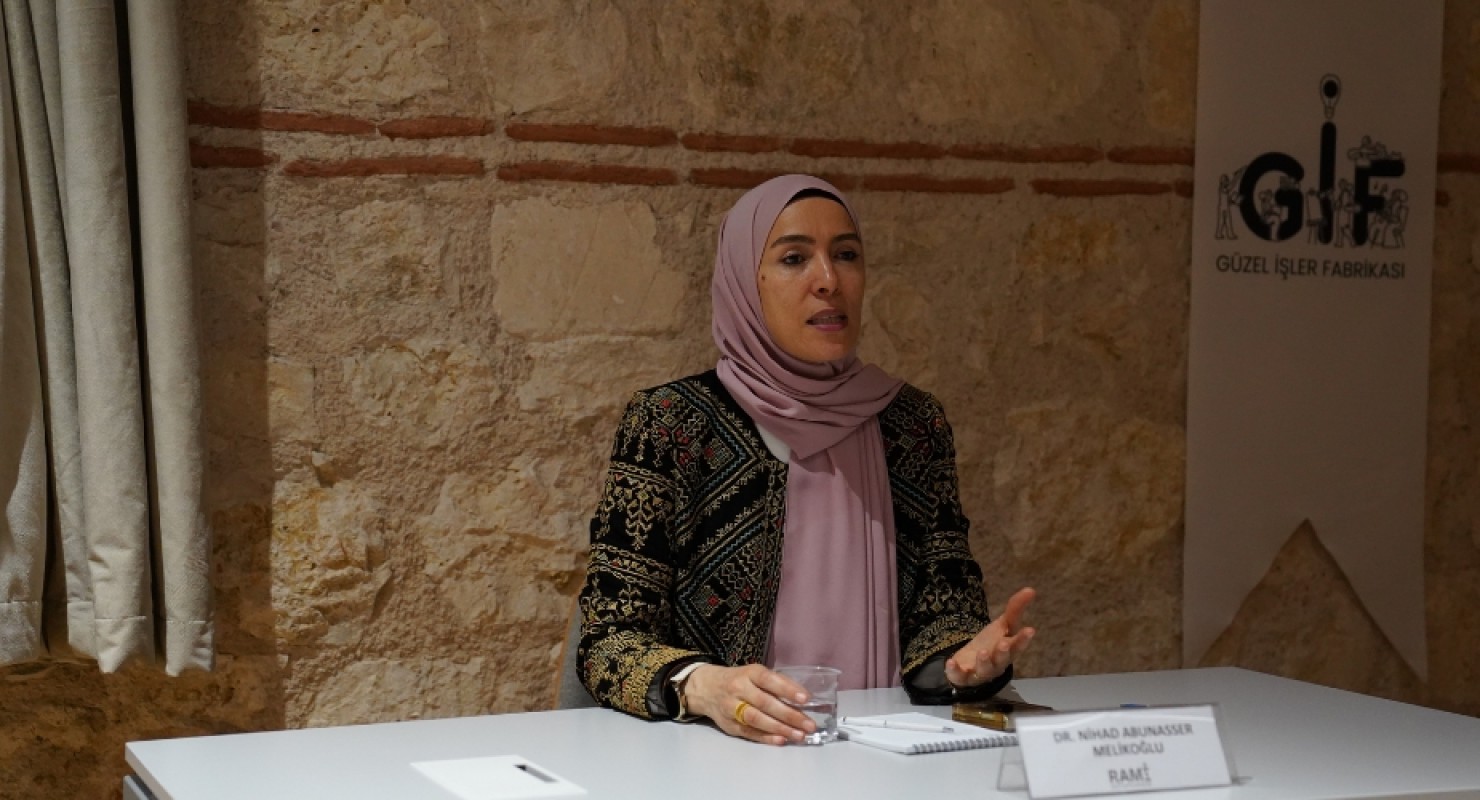
On 29 November 2025, Nihad Abunasser Melikoğlu examined access to basic needs, environmental justice, and the continuity of daily life under humanitarian constraint.
On 13 December 2025, Peren Birsaygılı Mut explored how narrative transforms pain into collective memory and sustains resilience through testimony.
On 10 January 2026, Dr. Necdet Subaşı discussed conscience, justice, responsibility, and ethical positioning in the context of Gaza, while addressing silence and moral agency.
Gaza Literacy in the Digital Age: Information, Ethics, and Responsibility
Upcoming sessions will address digital media, ethics, citizenship, and financial literacy, focusing on disinformation, perception wars, responsible information practices, and ethical positioning.
The closing panel will address Information and Data Literacy, examining how knowledge is produced, circulated, and interpreted, and how numerical representations shape the understanding of Gaza within humanitarian and political contexts.
Hatice Akıncı Yılmaz: “Gaza Literacy Is a Moral Responsibility”
TÜRGEV Chairwoman Hatice Akıncı Yılmaz emphasizes that the foundation’s youth education philosophy is grounded in conscience, awareness, and responsibility. Noting that developments in Gaza represent a profound test of humanity’s relationship with justice and compassion, Yılmaz underlines that Gaza literacy constitutes a form of moral and civic responsibility for young people.
She states that the program aims to nurture individuals who think critically, uphold ethical integrity, and remain firmly committed to truth and human dignity.
Program Duration
Scheduled to continue until March 2026, the TÜRGEV Gaza literacy program will publish session content digitally following each meeting. Through this initiative, TÜRGEV aims to extend its humanitarian, ethical, and values-based engagement with Gaza into a lasting and internationally comprehensible educational process.
Frequently Asked Questions (FAQ)
Why is Gaza literacy important?
Gaza literacy enables individuals to evaluate developments through historical, cultural, ethical, and legal perspectives, supporting informed judgment and ethical awareness.
Who is the program intended for?
The program is primarily designed for young people who seek a deeper and more responsible understanding of Gaza and global issues.
Which topics does the program cover?
Topics include art, culture, sustainability, literature, faith, digital media, ethics, citizenship, financial literacy, and information & data literacy.
Is online access available?
Yes. Program sessions will be made available via YouTube and podcast platforms to ensure wider accessibility.