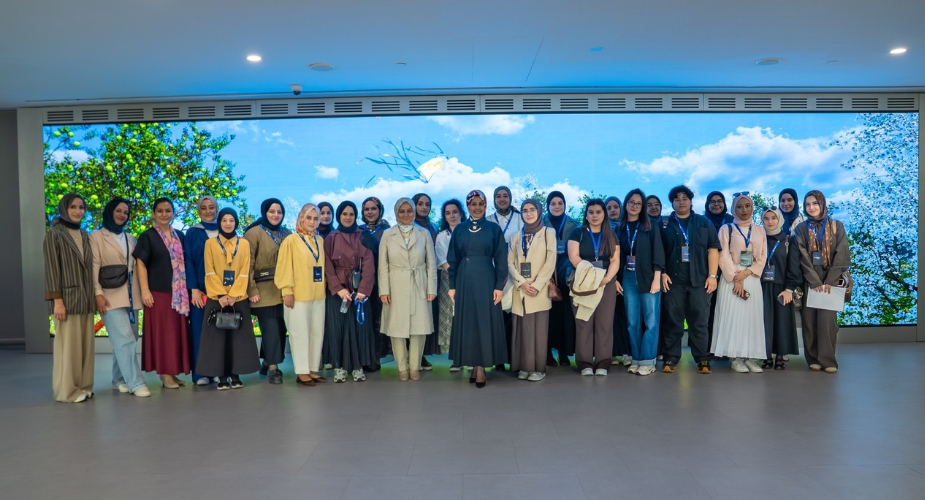
The 3rd International UNESCO Chair Symposium on Science Diplomacy and Scientific Heritage was held in Istanbul on 26–28 November 2025, hosted by TÜRGEV. Academics from 14 countries came together to discuss intercontinental scientific cooperation and epistemic justice.
01 December 2025
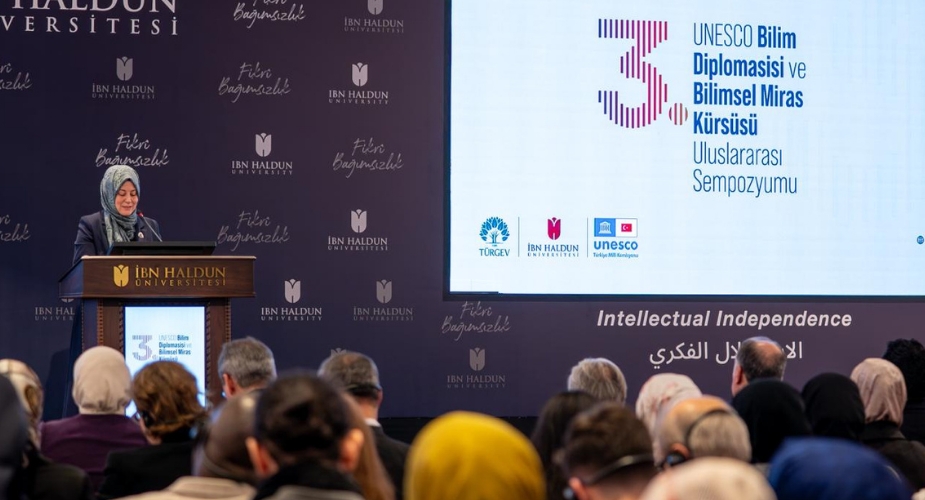
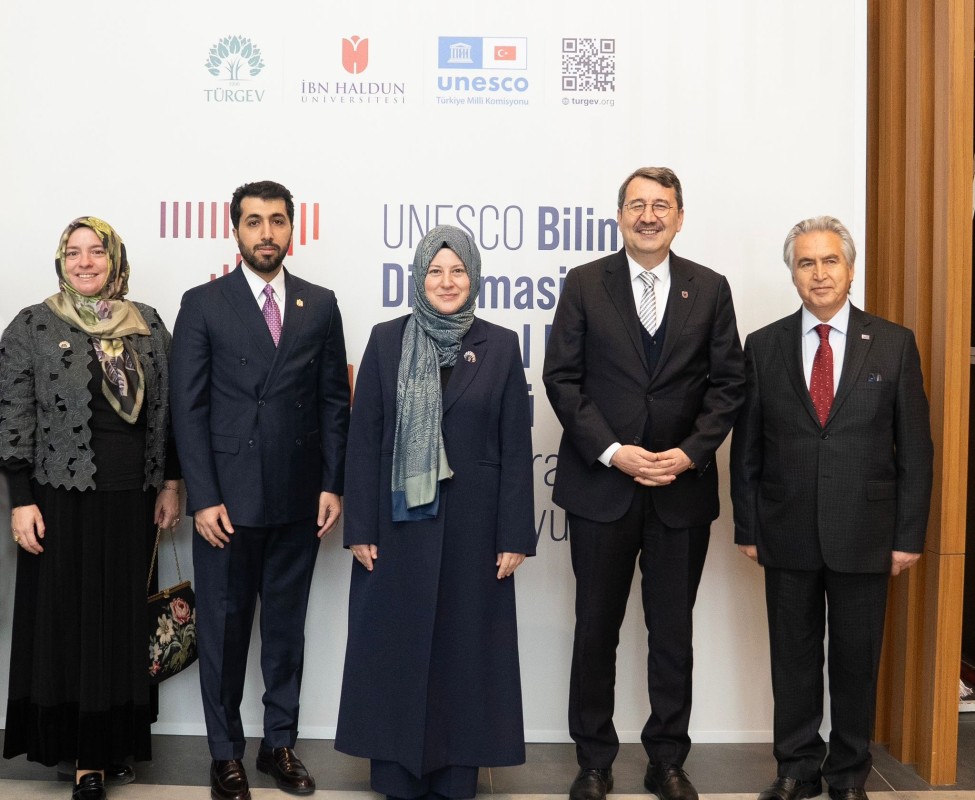
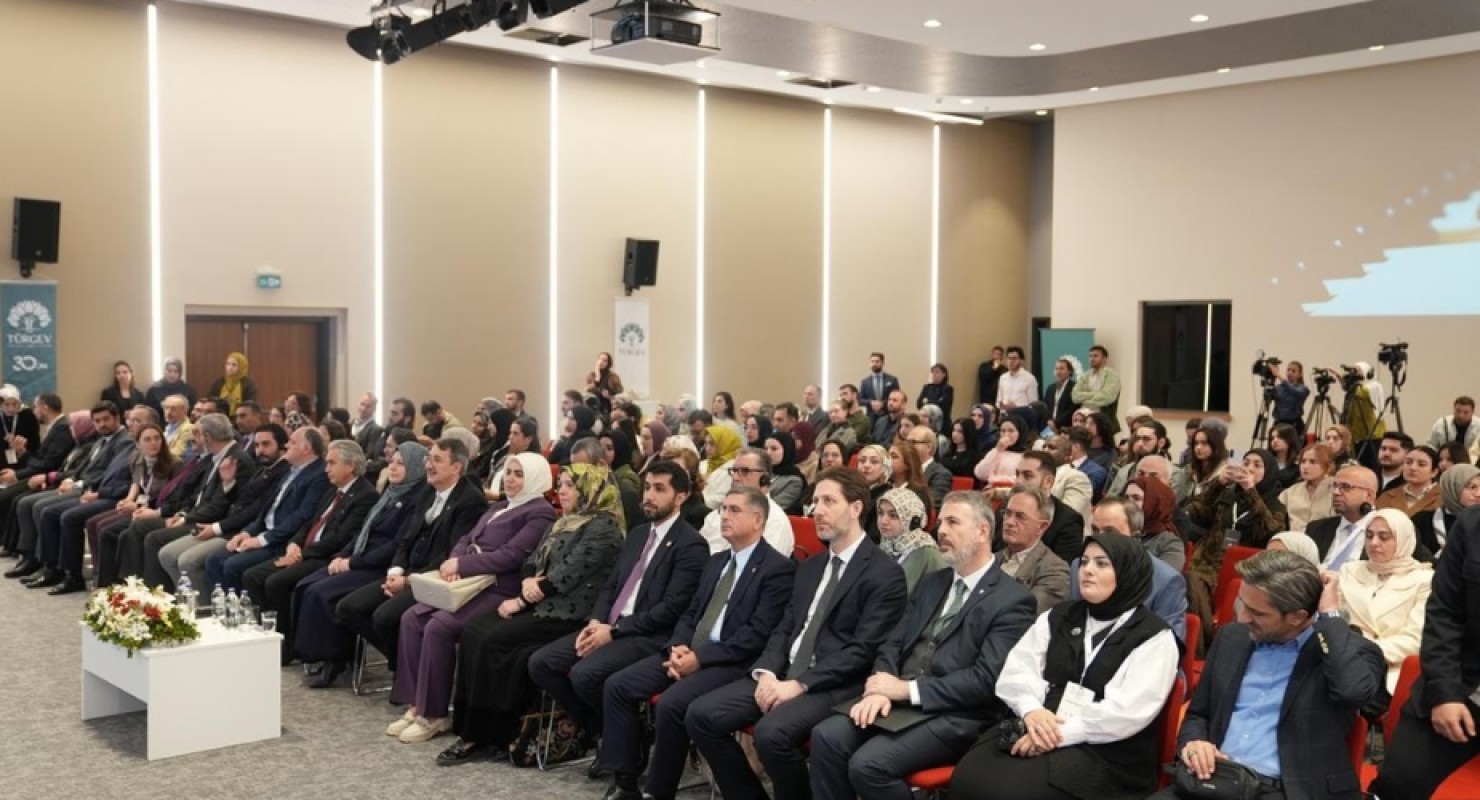
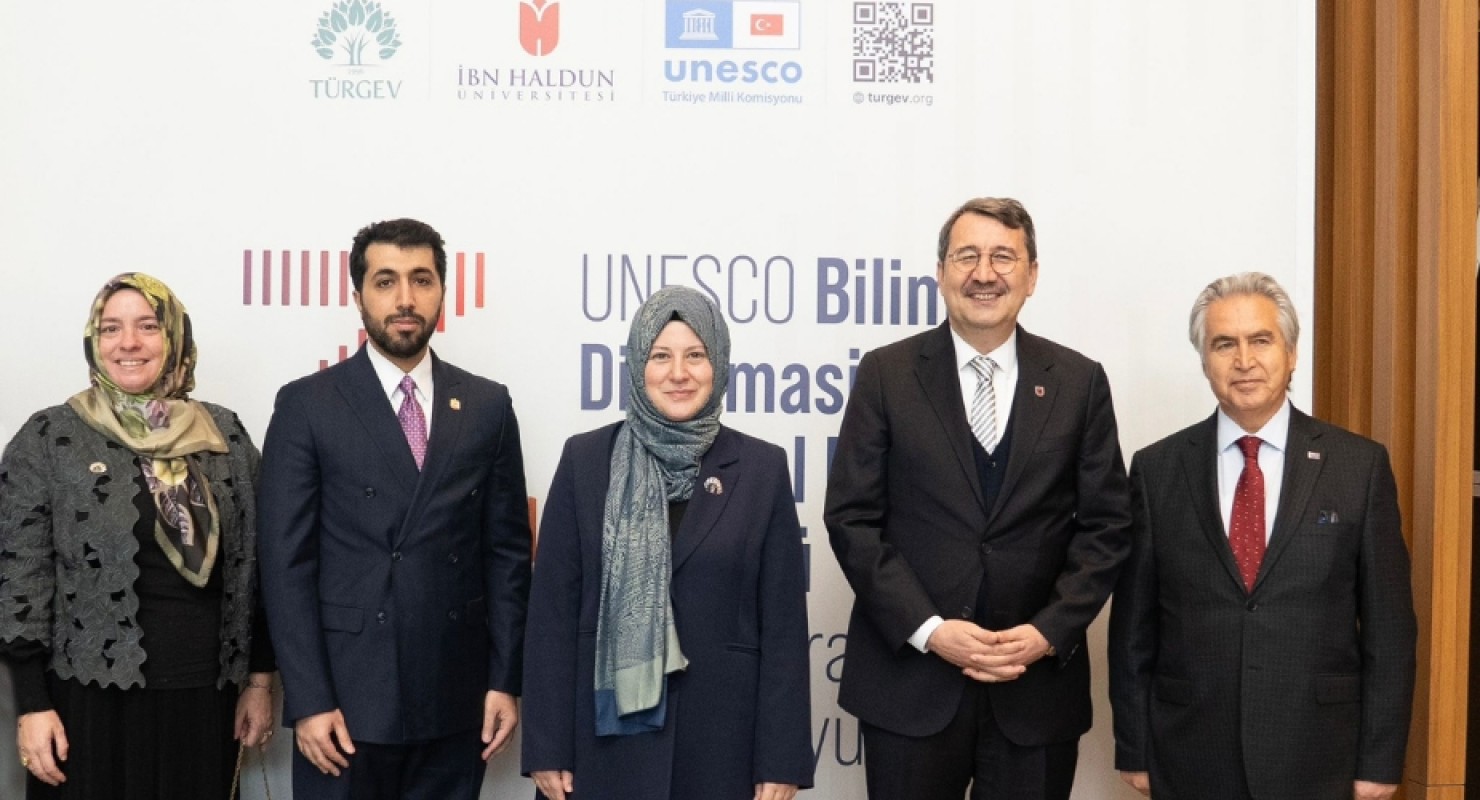
The Türkiye Youth and Education Service Foundation (TÜRGEV) transformed Istanbul into a global hub of scientific dialogue for three days with the 3rd International UNESCO Chair Symposium on Science Diplomacy and Scientific Heritage, held between 26–28 November 2025. Under the theme “Intercontinental Knowledge Circulation and Scientific Bridges,” the symposium hosted 27 scholars from 14 countries including Canada, Colombia, Qatar, Mexico, the United States, and Turkey. While the main sessions took place at Ibn Haldun University, an Open Science Workshop attended by UNESCO experts, a scientific heritage exhibition, and field programs were held at the Süleymaniye Salis Madrasa.
In her opening remarks, TÜRGEV Chairwoman Av. Hatice Akıncı Yılmaz drew attention to the transformative power of knowledge and the need for fair circulation:
“History shows us that knowledge has never circulated neutrally. The places where knowledge is produced and the centers that give it value have often differed. Scientific accumulation has been used at times as a tool of power and at other times as a means of political superiority. Even today, a limited number of centers decide which knowledge is considered ‘valuable.’ Therefore, we must revisit epistemic justice and the architecture of global knowledge.”
Emphasizing that knowledge is humanity’s shared heritage, Yılmaz added:
“It flourishes in the coexistence of different cultures, cities, languages, and eras. From Basra to Córdoba, from Damascus to Mexico City, a vast civilizational corridor has shaped today’s scientific foundations through quiet yet profound contributions.”
She also highlighted the visionary legacy of the late Prof. Dr. Fuat Sezgin, underlining that knowledge is the strongest resource shaping the confidence and future of societies.
Yılmaz described TÜRGEV’s youth vision as follows:
“As our young people’s access to science, research capacity, and opportunities to participate in international discussions grow stronger, so too does the horizon of nations and the transformative capacity of societies. As TÜRGEV, we work to position young women at the center of science, culture, and global academic networks.”
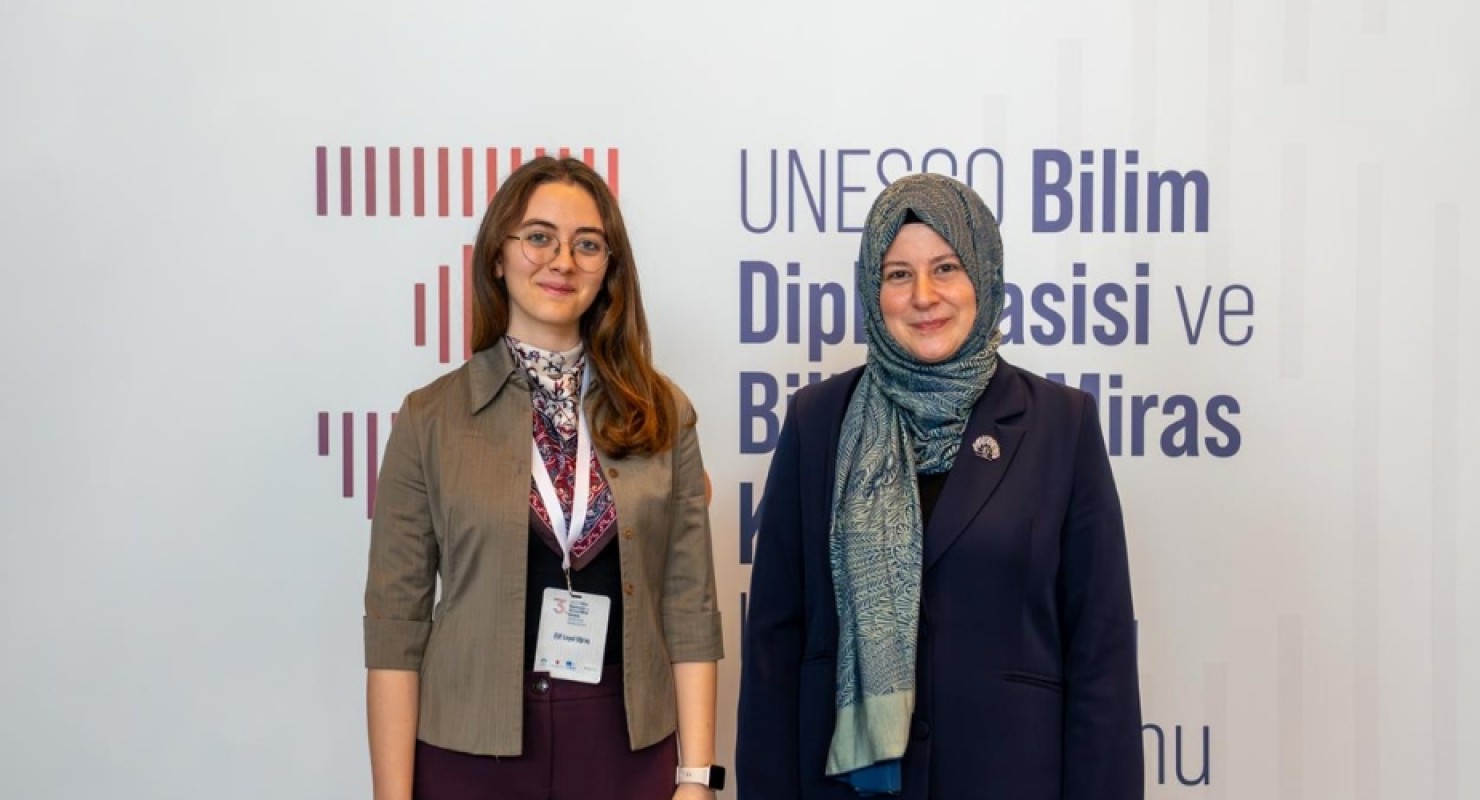
A strong example of this vision was Elif Leyal Uğraş, who represented Türkiye as the youngest researcher in Mexico last year and took part in this year’s symposium in Istanbul as a speaker.
The Academic Board of the symposium included scholars from Türkiye, Latin America, and the Gulf region. Members included Prof. Ana María Cetto, Prof. Ahmet Karakaya, Prof. Hasan Umut, Prof. Mashhoor Alwardat, Prof. Tuncay Zorlu, and Prof. Vahdettin Işık.
The organizing committee consisted of representatives from UNESCO–UNAM, the University of Sharjah, Ibn Haldun University, and TÜRGEV. TÜRGEV was represented by Semanur Yavan Batcı, Serap Özden, and Zeynep Tuzcu.
On the second day of the symposium, participants toured the Süleymaniye Mosque, examining its architectural and scientific features. The program concluded with a closing ceremony at the GIF Safveti Paşa Campus, where TÜRGEV General Manager Dr. Selim Gençal presented appreciation plaques.
Panels throughout the symposium explored themes such as “The Future of Scientific Bridges,” “Digital Knowledge Networks,” “Epistemic Justice,” “Knowledge Infrastructures of the Global South,” and “Scientific Interaction between the Islamic World and Latin America.” Participants agreed that the symposium offered both inspiration for young researchers and strategic contributions to international science diplomacy.
Highlighting science as a universal public good, this gathering further strengthened Türkiye’s visibility in the field of science diplomacy. TÜRGEV continues to advance Türkiye’s capacity in science diplomacy through its efforts to preserve scientific heritage and promote the fair circulation of knowledge.