TÜRGEV joined the International Shab-i Arus Ceremonies in Konya to commemorate Rumi’s 752nd Vuslat through sema rituals, digital art, and a timeless message of unity and peace.

16 December 2025
The 752nd Anniversary of the Vuslat (Union) of Hazrat Mevlana Jalaluddin Rumi (commonly known as Rumi) was commemorated in Konya through the International Shab-i Arus Ceremonies, which concluded with sema rituals, vuslat night programs, and digital art–based performances.
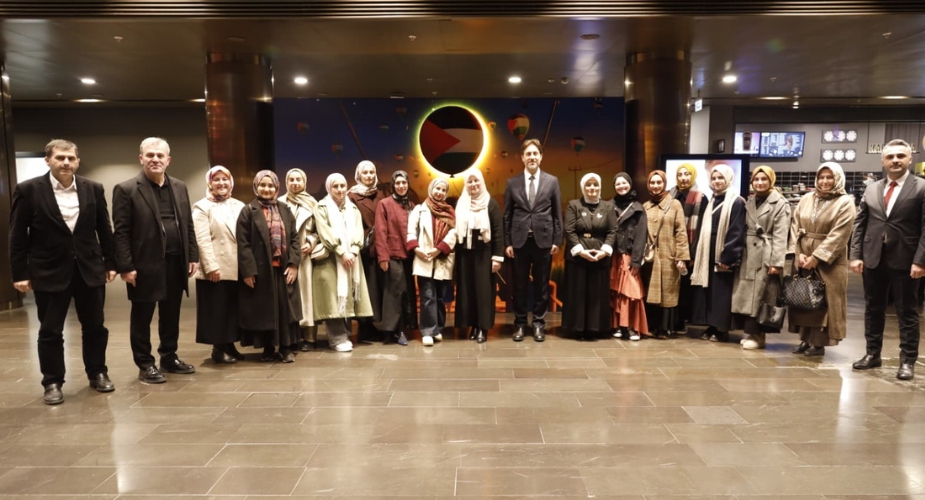
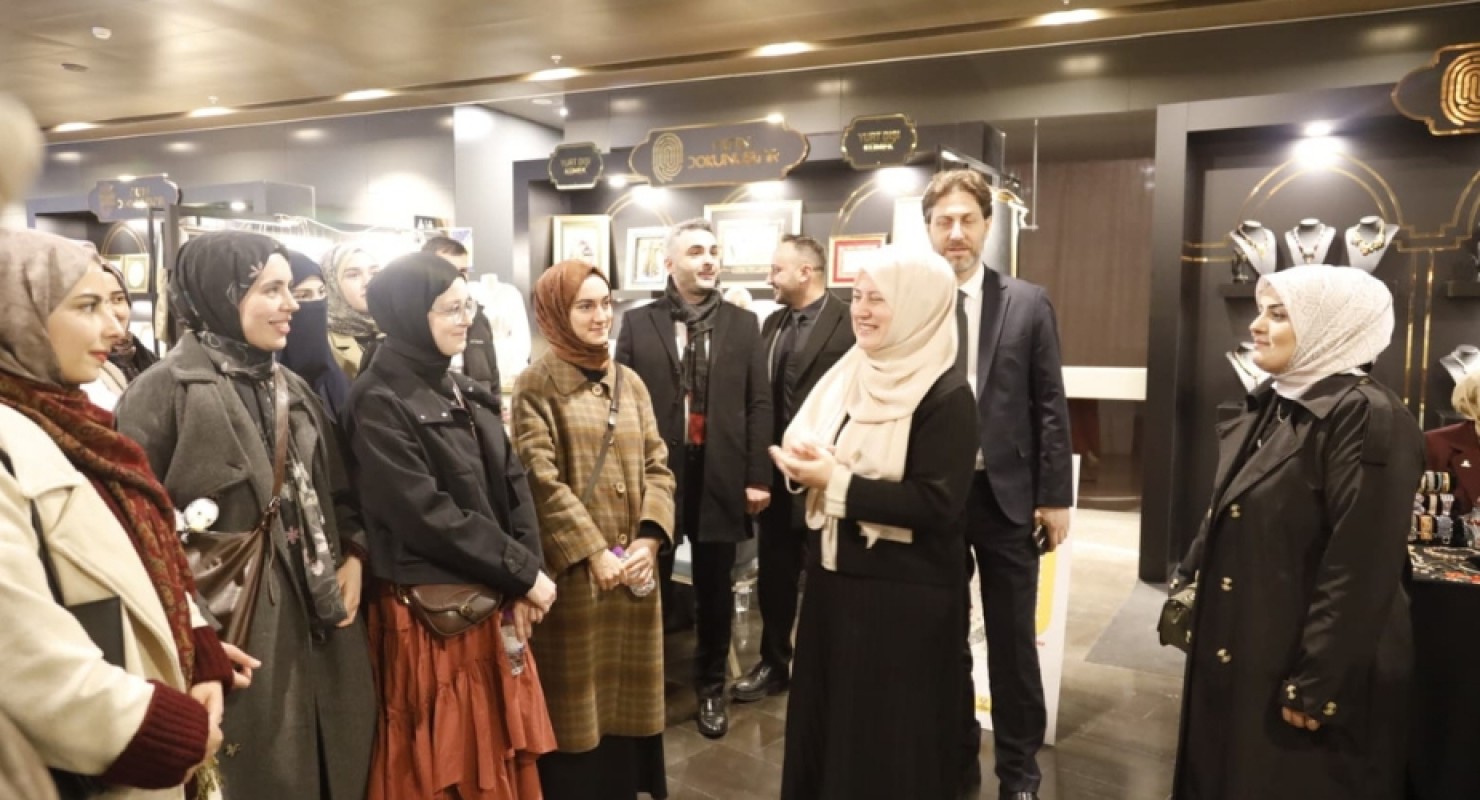
The events were attended by TÜRGEV President Hatice Akıncı Yılmaz, along with members of the TÜRGEV executive board.
Held between 7–17 December 2025, the International Shab-i Arus ceremonies once again carried Rumi’s centuries-old message of unity, compassion, and inner peace from Konya to the world.
Rumi—one of the most influential Sufi thinkers, poets, and spiritual guides in world history—was honored through sema rituals and vuslat night ceremonies that reflected the depth of his intellectual and spiritual legacy.
This year’s programs were organized under the theme “Time for Peace”, highlighting an irfan tradition that extends from personal purification to social harmony. The ceremonies emphasized Rumi’s belief that true peace begins within the individual, and that inner transformation is essential for building a just and harmonious society.
Rumi’s thought, which transcends cultural, religious, and geographical boundaries, once again brought together participants from diverse backgrounds around a shared sense of conscience, coexistence, and peace.
Representatives of various public institutions and civil society organizations attended the ceremonies. TÜRGEV President Hatice Akıncı Yılmaz closely followed the commemorative programs held in Konya.
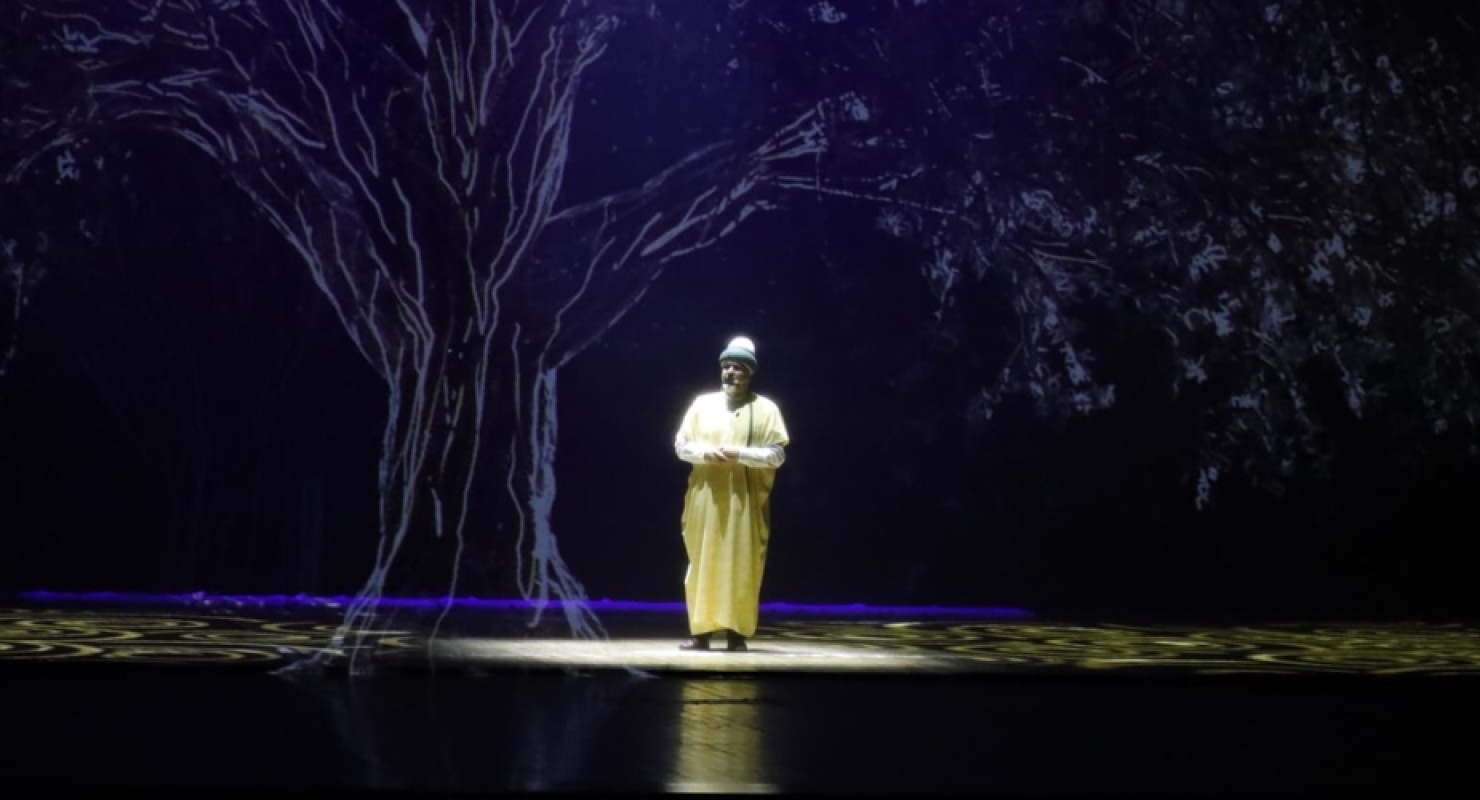
Among the most remarkable performances within the scope of the Shab-i Arus program was “Do You Know What Sema Is?”, which drew attention with its immersive stage atmosphere.
By harmoniously combining light, imagery, and movement, the performance presented Sema as a profound inner journey rather than a ritualistic act.
The production was prepared by the Istanbul Meydan Meşkleri Ensemble, with art direction by Yüce Gümüş and postnişin leadership by M. Fatih Çıtlak.
Throughout the performance, dynamic visual projections and carefully designed lighting accompanied the semazens’ rotations, guiding the audience’s focus toward the emotional and spiritual states of the performers.
The rhythmic flow and visual composition rendered intangible emotions visible, evoking a deep sense of contemplation and serenity. Enriched by visual and auditory layers, the performance approached Sema as a stage expression of humanity’s profound relationship with existence, a concept deeply rooted in Rumi’s philosophy.
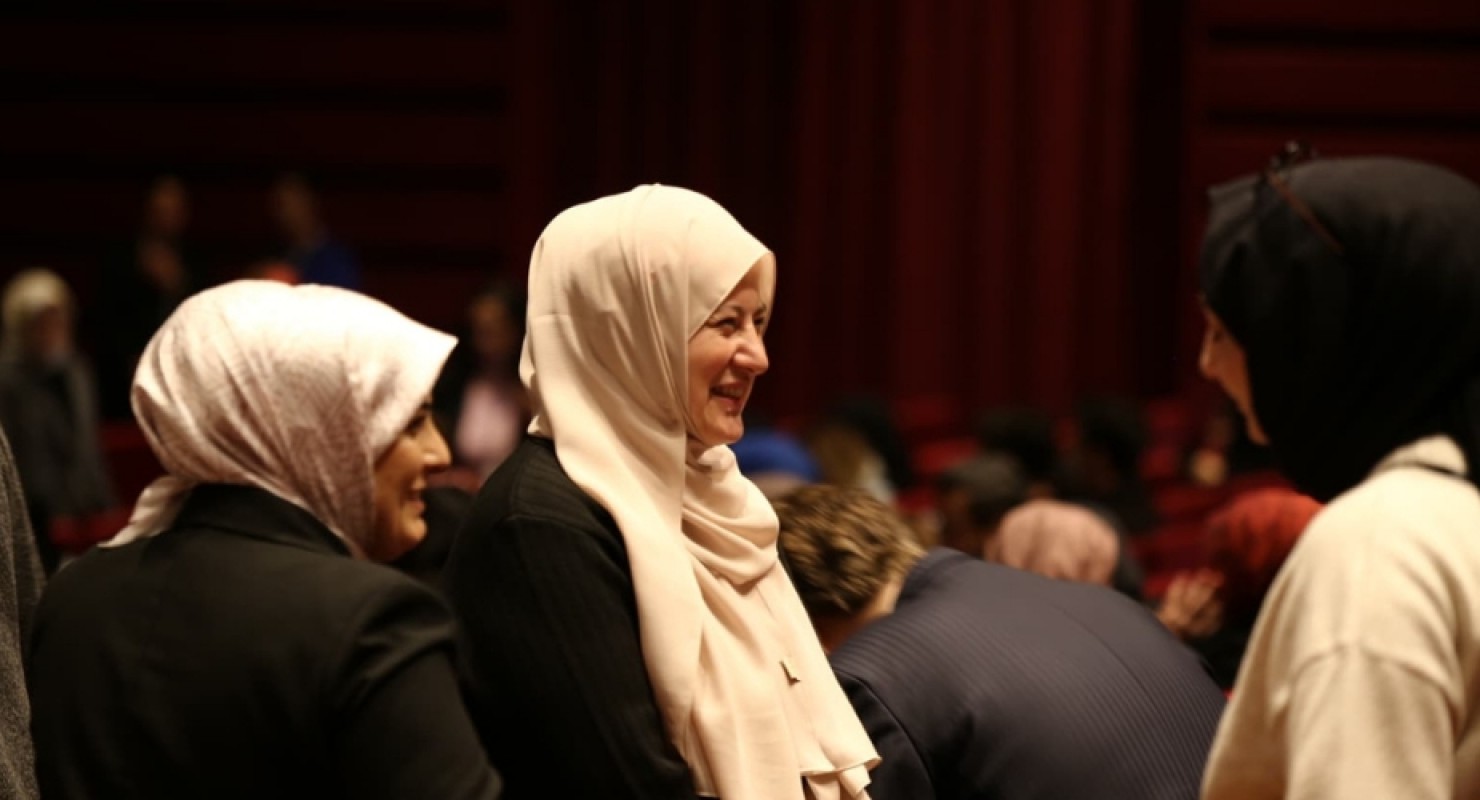
The performance was attended by members of the TÜRGEV executive team, students residing in TÜRGEV dormitories in Konya, and students from the Güzel İşler Fabrikası (GİF).
Speaking during the commemorations, TÜRGEV President Hatice Akıncı Yılmaz emphasized that Rumi regarded peace as the foundation of social harmony, noting that this vision can only be strengthened through values-based education that prepares individuals for life.
Yılmaz stated that raising young people with not only academic competence but also a strong sense of conscience, justice, and social responsibility plays a decisive role in establishing lasting peace.
She noted that Rumi’s view of human beings as the “essence of the universe” points to a civilization model centered on moral values, adding that every investment in youth is, ultimately, an investment in social harmony.
She also underlined that Rumi’s compassion, which embraces all living beings without distinction, continues to nourish a human-centered perspective of civilization relevant to the contemporary world.
As part of the Shab-i Arus ceremonies, sema rituals performed by the Sufi Music Ensemble of the Ministry of Culture and Tourism of Türkiye were followed with great interest by both local and international visitors throughout eleven days in Konya.
The sema rituals were accompanied by a Mevlevi ayin composed by Sultan Selim III, performed by the Konya Sufi Music Ensemble.
The commemorations were further enriched by Masnavi talks, concerts, and various cultural events, culminating in the Vuslat Night ceremonies, which marked the spiritual peak of the program.
Organized annually with international participation, the Shab-i Arus ceremonies aim to preserve and transmit the cultural and spiritual heritage of Türkiye to future generations.
Once again, the wisdom rising from Konya brought together thousands of people from different parts of the world, united under Rumi’s timeless message of unity, compassion, and peace.
What is Shab-i Arus?
Shab-i Arus, meaning “Wedding Night,” commemorates the union (Vuslat) of Hazrat Mevlana Jalaluddin Rumi with the Divine. It symbolizes spiritual reunion rather than physical death.
Why is Konya significant in Rumi’s legacy?
Konya is where Rumi spent much of his life, produced his most influential works, and shaped the Mevlevi tradition. Today, it remains the spiritual center of his teachings.
What role did TÜRGEV play in the Shab-i Arus ceremonies?
TÜRGEV participated in the International Shab-i Arus Ceremonies through institutional representation, attending key programs and engaging with the spiritual and cultural events held in Konya.
What is the significance of the Sema ritual?
Sema represents an inner spiritual journey toward truth and unity. Through movement, music, and contemplation, it reflects humanity’s connection with existence, a core concept in Rumi’s philosophy.
How were digital arts integrated into the ceremonies?
Digital art elements such as visual projections and lighting design were used to interpret the emotional and spiritual states of the semazens, offering contemporary audiences a deeper experiential understanding of Sema.
Why does TÜRGEV emphasize values-based education in this context?
Inspired by Rumi’s teachings, TÜRGEV highlights values-based education as essential for nurturing conscience, justice, and social responsibility, which are fundamental to lasting social harmony and peace.
Who attended the Shab-i Arus ceremonies?
The ceremonies were attended by representatives of public institutions, civil society organizations, international visitors, and students, reflecting Rumi’s universal appeal across cultures and generations.